How infused absinthe was made
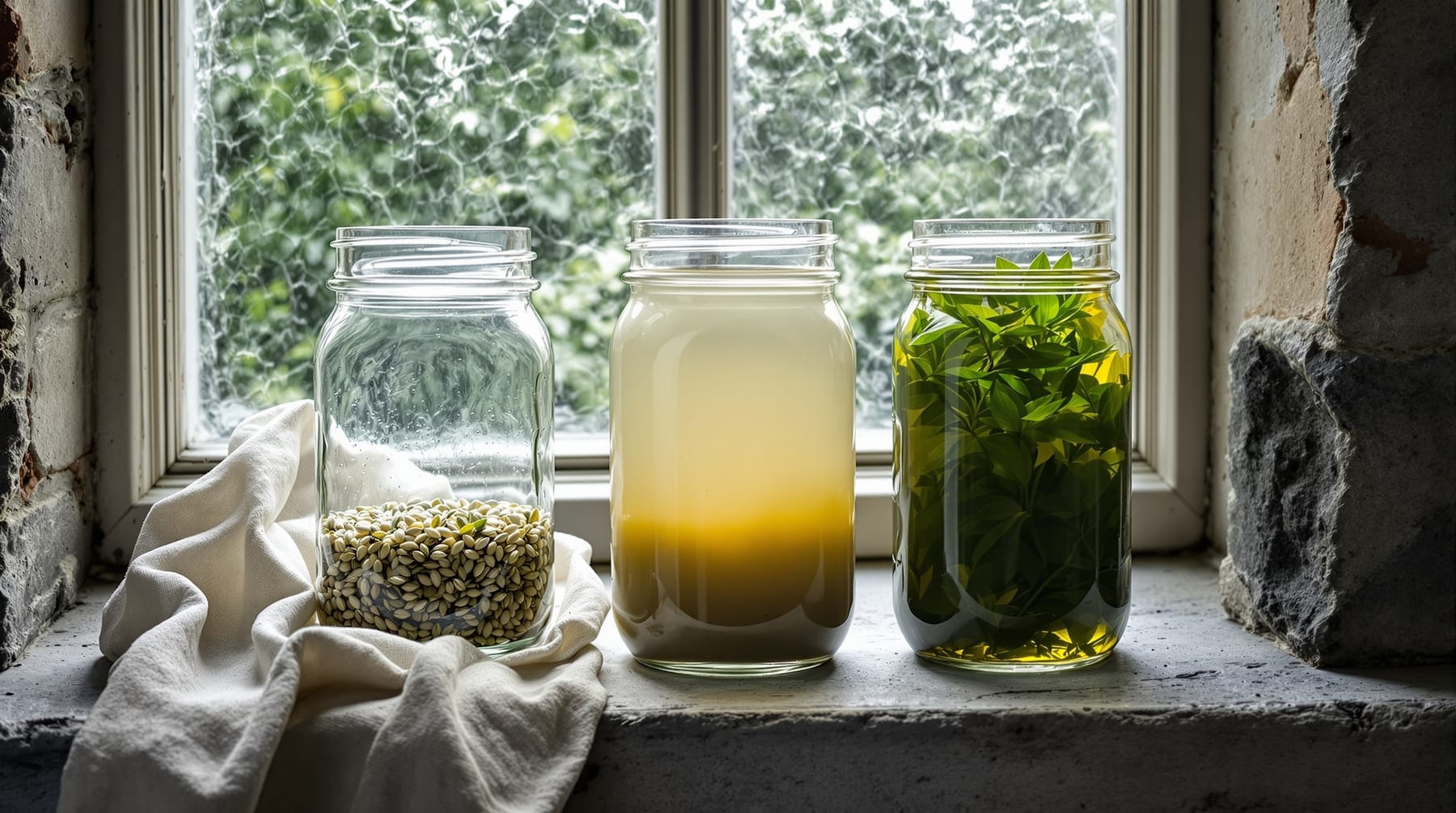
A description of historical method, written for readers interested in how the drink is put together. It is not a recipe, not instructions, and not an encouragement to make or drink anything.
Two families of method
There are, and always have been, two quite different ways of getting herbs into a spirit, and the difference between them accounts for most of the quality range absinthe has ever occupied.
Distillation is the classical method. The botanicals are macerated in spirit, then the whole charge is distilled, and only the volatile aromatic fraction comes over into the finished product. Crucially, the heavy, water-soluble bitter principles — absinthin from the wormwood above all — stay behind in the pot. This is why a properly distilled absinthe, despite being built on one of the most bitter plants in Europe, is aromatic rather than punishing.
Maceration, or cold infusion, skips the still. The herbs steep in high-proof spirit for days or weeks and are then strained out. Everything the alcohol can dissolve ends up in the glass, bitter fractions included. The result is greener, more vegetal, and markedly more bitter. It is the older method, it is what a home preparation necessarily is, and it is what the kits this site was built around produced.
There is a third category that is best described as a failure mode: the “oil mix”, in which essential oils and colouring are simply stirred into neutral spirit with no botanical contact at all. Much of what was sold as absinthe during the 1990s revival was made this way, and it is the main reason a generation formed the view that absinthe tastes like mouthwash.
The steep
In a maceration the variables are few and unforgiving: the ratio of herb to spirit, the alcohol strength, the temperature, and the time. Strong alcohol extracts aromatics efficiently but also pulls bitter and resinous material quickly, so long steeps do not simply give more of the same — past a certain point they give something progressively harsher. Historical home preparations were typically measured in days rather than weeks for exactly this reason, and the wormwood in particular was usually given the shortest contact of anything in the charge.
Temperature matters in the same direction. Warmth accelerates extraction of everything, including the fractions nobody wants. A cool, dark cupboard is the traditional answer.
The colouring steep
In the distilled tradition, colour is a second and separate operation. The water-white distillate is steeped gently with petite wormwood, hyssop and melissa until the chlorophyll comes out and the spirit turns green, and it is then racked off the herbs promptly — leave it too long and the colour goes muddy and the flavour coarse.
This step is why a natural verte ages the way it does. Chlorophyll degrades with light and time, so the green shifts through gold to the brown collectors call feuille morte. A bottle that is still emerald after fifty years was coloured with something other than plants.
Filtration and rest
Straining is not filtering. A maceration carries a great deal of fine suspended matter that muslin will not stop, and left in it continues to extract long after the steep was supposed to end, so a preparation that tasted balanced on the day it was strained can be aggressively bitter a month later. This is the whole reason the later kits shipped three fine filters rather than a piece of cloth.
After filtration, rest. Herbal preparations are famously disagreeable for the first week or two and settle noticeably over a month or more as the components integrate. Almost every historical account of home preparation says some version of the same thing: the impatient version is not the same drink.
Why the method shows in the glass
All of this is visible at the point of service. A distillate louches slowly and evenly to a pearly pale jade. A cold infusion louches too — there is anethole in it — but generally more coarsely and over a green that is leafier and less luminous. An oil mix goes chalk-white immediately or does nothing at all.
See the ritual for what happens next, and the botanicals for what is being extracted in the first place.
Absinthe Kits · absinthekits.com