Absinthe Kits
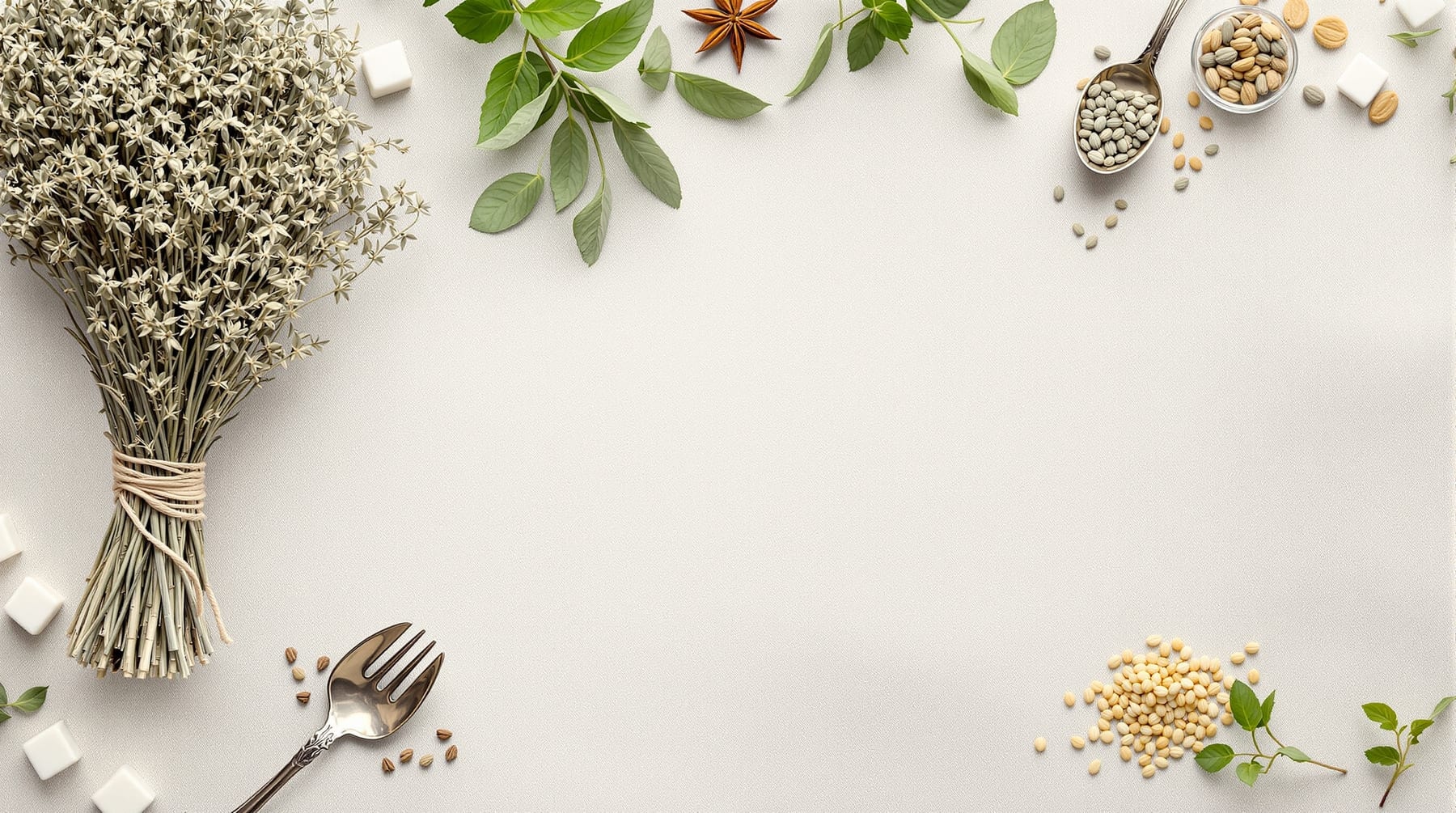
Absinthe is the most mythologised drink in the Western world. For a little over a hundred years it has been called a liqueur, a drug, a muse, a poison and a hoax, sometimes all in the same paragraph. Almost none of what most people believe about it is true, and almost all of what is true about it is more interesting than the myth.
Absinthe Kits is a reference on the subject: the origin of the drink, the botany of wormwood, the Belle Époque cafes that ran on it, and the composition of the herb kits once sold under this name. This site sells nothing.
What absinthe actually is
Absinthe is a high-proof, anise-flavoured spirit built on three botanicals that the trade has long called the Holy Trinity: grande wormwood (Artemisia absinthium), green anise and sweet fennel. Around that core sits a supporting cast that varies from recipe to recipe and always did — star anise, hyssop, melissa, angelica, coriander, chamomile, calamus, licorice root.
It is not, and never was, a bottled hallucinogen. It is a strong spirit, typically bottled somewhere between 45% and 74% alcohol by volume, which is the single most important fact about it and the one the mythology consistently buries. Everything the nineteenth century blamed on wormwood is more plausibly explained by the proof, by the adulterants cheap producers used, and by a temperance movement that needed a villain. The modern review of that literature, published in Substance Abuse Treatment, Prevention, and Policy in 2006, is blunt about it: absinthism was a syndrome that never existed.
Green, but not artificially so
A traditionally made verte gets its colour from a second, gentler steep after distillation, in which petite wormwood, hyssop and melissa give up their chlorophyll to the warm spirit. That green is alive: it oxidises over years to a leaf-brown that collectors call feuille morte, dead leaf, and treat as a mark of authenticity rather than spoilage. An absinthe left deliberately uncoloured is a blanche, or in Switzerland la Bleue.
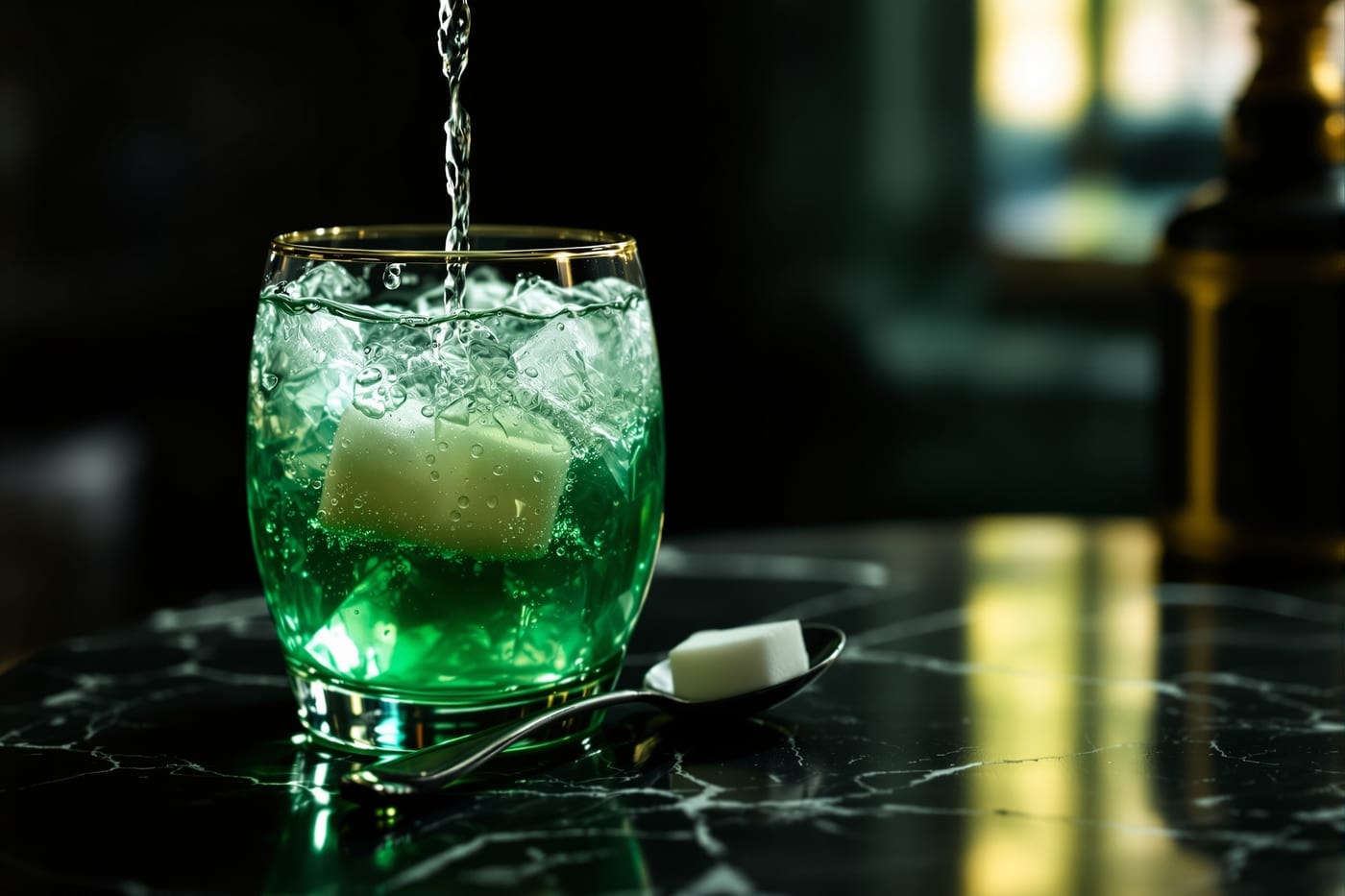
Pour cold water into either and it turns opalescent and pale. That is the louche, and it is chemistry rather than theatre: the anethole carried out of the anise dissolves happily in alcohol and not at all in water, so diluting the spirit drops it out of solution as a fine, light-scattering emulsion. A drink that will not louche has very little anise in it.
The thujone controversy is also a lesson in how chemistry corrects folklore. Once authenticated old bottles could be measured, an argument repeated for a century had to face actual concentrations and stated methods. The guide's expanded account of thujone and the old-bottle assays explains why the sample, the method and the limits of the result matter more than the mythology attached to the compound.
What a kit contained
The kits this site was built around were infusion kits, not distilling equipment. They supplied the botanicals — wild-picked and slow-dried wormwood, anise, fennel and the supporting herbs — together with filters, labels, a pair of slotted spoons, shaped sugar cubes and a set of instructions. The method was maceration: steep, wait, strain, rest. It is the oldest way of making the drink and the one the Henriod sisters would recognise, and it is described here as a historical method rather than as a recipe to follow.
Where to start
- Absinthe: The Spirit of Révolution — the long essay this site was known for, on how a Swiss folk remedy became the drink of an era
- Artemisia absinthium — the plant itself: where it grows, why it is so bitter, what people have done with it for two thousand years
- Thujone and the madness myth — what the compound is, and what happened when chemists finally opened pre-ban bottles
- The ritual — fountain, spoon, sugar, louche, and which parts of it are genuinely old
- A timeline, 1792 to now — from Couvet to the bans to the modern revival
A note on what this site is for
Absinthe is an alcoholic drink, and a strong one. Nothing here is advice to make, buy or consume it, and nothing here should be read as a claim about what it does to anybody. The interest is historical, botanical and cultural: a bitter grey-green shrub, a small Alpine village, a Parisian hour with its own name, and a hundred-year prohibition built on a chemical that turned out not to be doing what everyone said it was. Read the editorial note for the full framing.
Absinthe Kits · absinthekits.com